When a storm damages your roof, an adjuster comes out, walks the roof, takes photos, and writes an estimate. A number lands in your inbox. Most homeowners assume that number is the number.
It usually isn't. It's a first pass — written from the ground and the roof surface, before anyone has torn a single shingle off.
What an adjuster can't see on inspection day
An adjuster is doing a visual inspection on an intact roof. That's a real limitation, not a criticism. There are things that only become visible once the roof comes apart:
- How many layers are actually up there. A second layer of shingles or an extra layer of felt doesn't show from the surface. Removing it is real labor that wasn't in the original scope.
- The condition of the decking underneath. Rotted or damaged sheathing is invisible until the shingles are gone.
- What the flashings actually look like. Step flashing, valley metal, and chimney flashing are frequently reused in an original estimate when the actual condition — or local code — requires replacement.
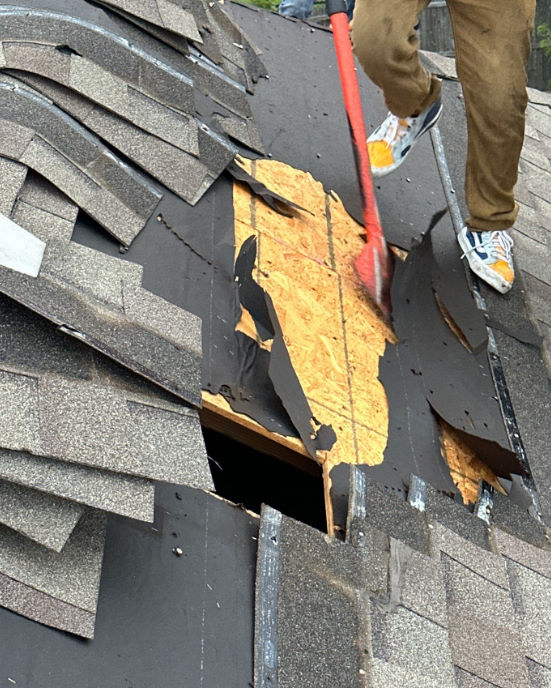
What building code adds after the fact
Codes vary city to city, and they don't care what the original estimate said. Ice and water barrier requirements, decking thickness minimums, drip edge, and valley metal are all commonly required by local code and commonly absent from a first estimate. When code requires it, it belongs in the scope — full stop.
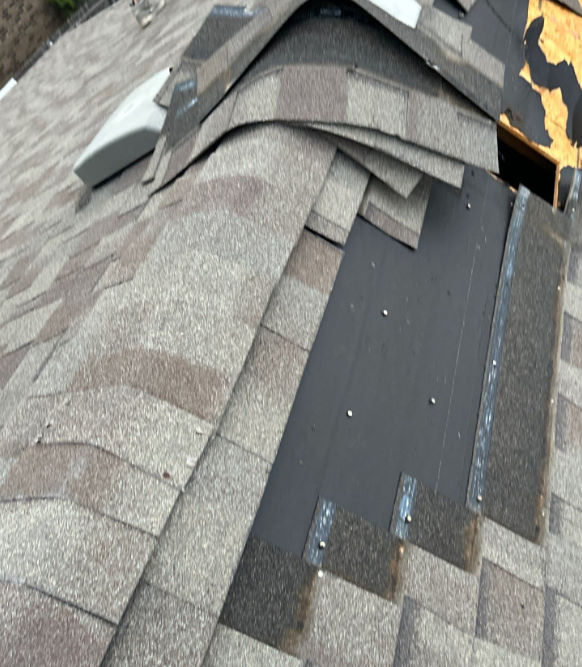
This is what a supplement is
A supplement isn't an argument. It's a corrected scope, submitted with documentation, after the real conditions are known.
The part most homeowners don't realize: your policy already covers this. You paid for a roof to be put back to its pre-storm condition, in compliance with current code. If the first estimate missed items, correcting it isn't asking for extra — it's asking for what the policy says.
What it takes to get one approved
Adjusters approve well-documented supplements and push back on vague ones. Every single time. What makes the difference:
- Photos taken before the work covers up the evidence
- Overview shots that establish context, not just close-ups
- Line items that match what the photos actually show
- Code citations where code is the reason
Miss the photo and the item is gone. Once the new roof is on, there's no going back and proving what was underneath.
The takeaway
If you're a homeowner: don't treat the first estimate as final, and make sure whoever is on your roof is documenting it properly before the tear-off.
If you're a contractor: the money left on the table is almost never lost in the argument. It's lost on inspection day, with a camera that wasn't pointed at the right thing.
← Back to blog